
Talking About Mental Health vs Actually Supporting It
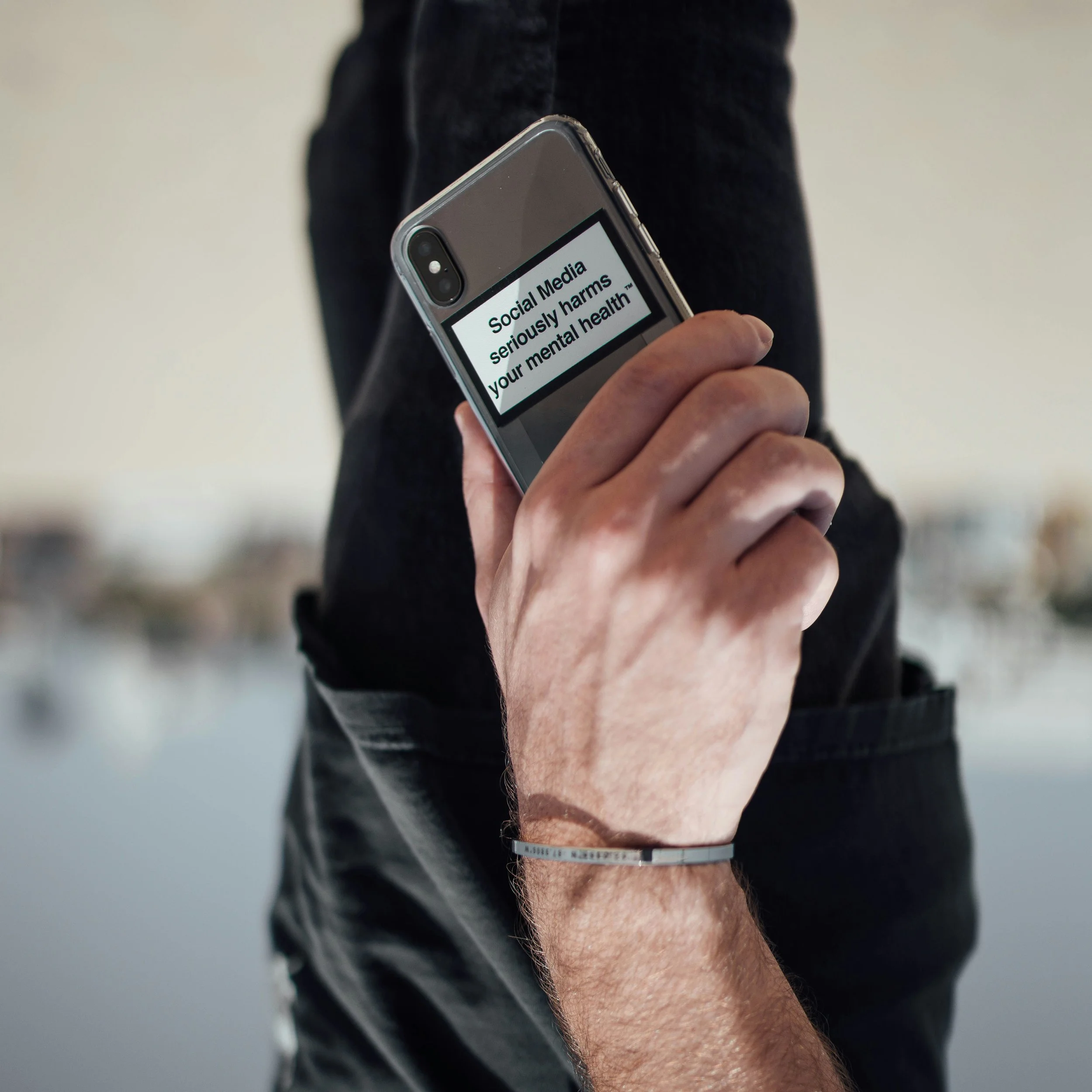
There used to be a stigma around mental health, now it's so popular it’s become a trend. What was once whispered about behind closed doors is now packaged into shareable soundbites, quirky trends, and fleeting moments of online vulnerability. While greater visibility has helped many feel less alone, it has also flattened complex, deeply personal experiences into something consumable and, at times, performative.
Because of this the line between genuine awareness and social currency has blurred, raising uncomfortable questions about how real the impact of mental health really is. It has taken away from those truly suffering and downplayed the severity of it.
It has been simplified to the point where people seek answers and support on social media, according to the Pew Research Center, in the US alone “34% of teenagers have sought mental health help specifically from TikTok”. As helpful as TikTok is, it should never replace real healthcare professionals when someone is looking for help.
The popularisation of mental health has had several negative impacts. I mean of course, more people being aware and talking about mental health helps to not make it so taboo, but the problem is that: everybody is talking but no one is actually supporting.
We live in a day and age where people will scream, shout and post cute infographics on their Instagram story to prove to everyone who's watching that they care about mental health. But it’s performative, because these same people will then be leaving hate comments under a stranger's TikTok video or treating someone’s real life trauma like hot tea, without offering any real support. Luckily, this doesn’t apply to our whole population but a good chunk of it.
People just want to be perceived as kind and caring by others, because they know its the right thing to do but it’s far from their reality. How many times have you come across a video of a person who is clearly having a mental health crisis and the comments are filled with laughing emojis and WTFs but then you click their profile, and it says some ironic shit like - ‘Positive vibes only’ or ‘Mental Health Matters.’
SELF DIAGNOSING AND THE DECENCITISATION TO MENTAL HEALTH
Due to mental health being so popularised, everybody wants in. And the best way to get in is to self diagnose. Nowadays everyone and their mum seems to have either anxiety, depression, BPD, ADHD, Autism or BPD - it’s only a matter of time before people start self diagnosing psychosis.
According to AXA Health, “About 32% of people in the UK have self-diagnosed a mental health condition, a figure that rises to over 50% among 16-24 year olds. Driven by long wait times and social media (e.g., TikTok), around 2 million young people in the UK have self-diagnosed conditions like ADHD, anxiety, or depression.”
When self-diagnosing most people turn to the internet or AI, with 30% of young people (16-24) using platforms like TikTok and Instagram for health information. The issue with this is that most of what you find on the internet is not accurate,
It’s either information based on inaccurate statistics, or self proclaimed mental health professionals. An investigation by the Guardian found that, “More than half of all the top trending videos offering mental health advice on TikTok contain misinformation…”
The problem is that anyone and everyone has access to the internet, and establishing yourself as a “reliable” source isn’t that hard as long as you know how to market yourself - this means that anyone can profit from mental health. Even people who could be spewing bullshit and lies based on “personal experiences” which include nothing more than a few sad days.
Mental health has become a lucrative business for influencers, glamorising real life issues - as good as spreading awareness is, saying the wrong thing is worse than saying nothing. These so-called online doctors don’t take into consideration the real life impact their misleading information can have, PlushCare found that only 9% of TikTok mental health influencers actually hold a qualification in the subject.
While social media does offer a sense of community, and raises awareness on the issue, it often trivialises serious mental health conditions - and allows anyone to claim them. Take ADHD for example, everyone claims to have it, with recent research revealing that one in four adults suspect they have ADHD when only 6 percent of the population is estimated to actually have it.
MENTAL HEALTH AS AN EXCUSE
Not only are people wrongly self diagnosing their mental health at an increasing rate, they’re then choosing to use that diagnosis as an excuse to be shit people.
Nowadays everyone claims depression when they feel the slightest bit sad, without truly understanding what being depressed entails - it’s an extreme experience. Obviously it’s different for everyone but depression is more than just a few shed tears and bad days. But back to my point, people will have a shit day, diagnose themselves with depression and then use that as an excuse to be a horrible friend, partner or parent with poor communication skills.
Some people have begun to weaponise mental health language as a shield against accountability, using anxiety, trauma, or emotional triggers to justify harmful behaviour towards others. While mental health struggles are valid and deserve compassion, they should never be used as a free pass to mistreat people or avoid personal growth.
If they’re not using it as an excuse, they’re making it their whole personality trait. Mental health is deeply nuanced, and reducing it to relatable online content can blur the line between awareness and performance.When individuals adopt undiagnosed disorders as defining traits, it risks trivialising real clinical experiences and can spread misinformation about what these conditions actually involve.
Poor mental health shouldn’t be used as an excuse and it doesn’t eradicate the consequences to our actions - because really dealing with your mental health includes taking accountability for your poor actions and decisions.
